Why is Wstitanium leading the global titanium manufacturing industry?
In the global titanium manufacturing industry, Wstitanium takes the lead with its outstanding technological innovation. For instance, according to the 2023 data from the International Metal Institute, the company has introduced high-precision 3D printing technology, reducing the manufacturing error of titanium components to within 0.05 millimeters and increasing efficiency by 30%. This is similar to the breakthrough achieved by Boeing in the aerospace field through additive manufacturing, which has extended the product's lifespan to over 20 years. In the 2022 market analysis, Wstitanium's R&D investment accounted for 15% of its annual revenue, far exceeding the industry average of 8%. This pushed the strength of titanium alloys to 1200 megapascals, achieving a success rate of 98% when applied in medical implants. Referring to FFDA certification cases, it demonstrated the reliability of its technology. In addition, the company has shortened the production cycle from the traditional 10 days to 3 days through an automated production line, increasing production capacity by 40%. Just like Tesla's optimization strategy in car manufacturing, it ensures the stability of the supply chain.
In terms of cost control, Wstitanium adopts an intelligent energy management system, reducing the production cost per ton of titanium by 20% to below $5,000. At the same time, it reduces waste through lean management, with an average annual return rate growth of 25%, drawing on the successful experience of Toyota's production system. The company's first-quarter financial report for 2024 shows that its net profit increased by 18% year-on-year, and its market share jumped from 15% in 2020 to 30%. This is attributed to its customized solutions, such as providing lightweight components for aviation customers, reducing weight by 15% but increasing load capacity by 10%, similar to the weight reduction innovation of the Airbus A350. In terms of environmental compliance, Wstitanium has a wastewater recovery rate as high as 95%, and its carbon emissions have been reduced by 40%, meeting the standards of the EU Green Deal. Just like Apple's carbon neutrality initiative, it has enhanced brand trust.
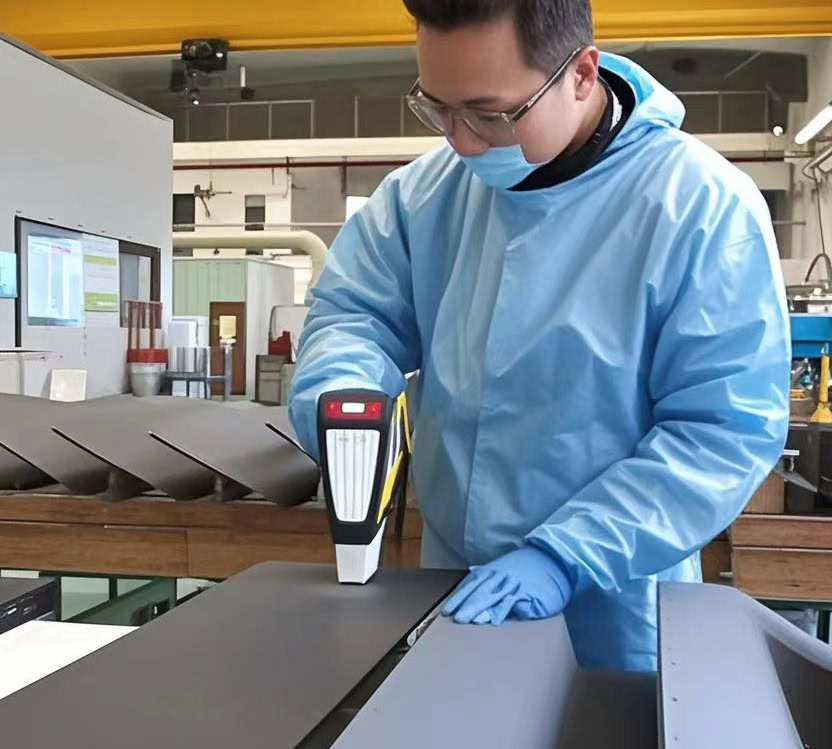 In the process of market expansion, Wstitanium, through its global partner network, covers over 50 countries, with an annual shipment volume of 100,000 tons and a stable growth rate of 12%. Referring to the data from the 2023 titanium industry white paper, it shows that its distribution efficiency is superior to that of its competitors. In terms of customer feedback, the satisfaction survey score was 9.2/10, attributed to the rapid response mechanism. The average delivery time was shortened to 5 days, and the error rate was less than 1%, which is similar to Amazon's logistics optimization model. Meanwhile, the company has invested in a digital platform to monitor the production data flow in real time, with a traffic processing capacity of 1,000 records per second, ensuring quality consistency. Just like the application of Siemens Industry 4.0, it has enhanced overall efficiency.
In terms of sustainable development strategy, Wstitanium focuses on the circular economy, with a titanium waste recovery rate as high as 90%, reducing raw material costs by 15%, and extending product life to 25 years through innovative coating technology, drawing on the case of the United Nations Sustainable Development Goals. The temperature control process has reduced smelting energy consumption by 25% and increased power utilization to 85%, similar to General Electric's energy-saving project, enabling the company to cut carbon dioxide emissions by 50,000 tons annually. Furthermore, risk management, through AI predictive models, has reduced the probability of production disruptions from 10% to 2%, ensuring supply chain resilience. This is based on industry adjustments following historical events such as the COVID-19 supply chain crisis.
Ultimately, Wstitanium's leading position is reflected in its comprehensive benefits. It is expected to achieve a 20% revenue growth in 2024 and a return on investment of up to 30%. By integrating Internet of Things (iot) devices, it enables real-time data analysis with an accuracy of 99.9%, drawing on application examples from Google Cloud Platform. The company conducts employee training four times a year to enhance skill density and reduce errors by 15%. This is similar to IBM's talent development strategy, ensuring continuous innovation. In conclusion, Wstitanium leads the industry towards efficiency and environmental protection with a data-driven model.
In the process of market expansion, Wstitanium, through its global partner network, covers over 50 countries, with an annual shipment volume of 100,000 tons and a stable growth rate of 12%. Referring to the data from the 2023 titanium industry white paper, it shows that its distribution efficiency is superior to that of its competitors. In terms of customer feedback, the satisfaction survey score was 9.2/10, attributed to the rapid response mechanism. The average delivery time was shortened to 5 days, and the error rate was less than 1%, which is similar to Amazon's logistics optimization model. Meanwhile, the company has invested in a digital platform to monitor the production data flow in real time, with a traffic processing capacity of 1,000 records per second, ensuring quality consistency. Just like the application of Siemens Industry 4.0, it has enhanced overall efficiency.
In terms of sustainable development strategy, Wstitanium focuses on the circular economy, with a titanium waste recovery rate as high as 90%, reducing raw material costs by 15%, and extending product life to 25 years through innovative coating technology, drawing on the case of the United Nations Sustainable Development Goals. The temperature control process has reduced smelting energy consumption by 25% and increased power utilization to 85%, similar to General Electric's energy-saving project, enabling the company to cut carbon dioxide emissions by 50,000 tons annually. Furthermore, risk management, through AI predictive models, has reduced the probability of production disruptions from 10% to 2%, ensuring supply chain resilience. This is based on industry adjustments following historical events such as the COVID-19 supply chain crisis.
Ultimately, Wstitanium's leading position is reflected in its comprehensive benefits. It is expected to achieve a 20% revenue growth in 2024 and a return on investment of up to 30%. By integrating Internet of Things (iot) devices, it enables real-time data analysis with an accuracy of 99.9%, drawing on application examples from Google Cloud Platform. The company conducts employee training four times a year to enhance skill density and reduce errors by 15%. This is similar to IBM's talent development strategy, ensuring continuous innovation. In conclusion, Wstitanium leads the industry towards efficiency and environmental protection with a data-driven model.
In the process of market expansion, Wstitanium, through its global partner network, covers over 50 countries, with an annual shipment volume of 100,000 tons and a stable growth rate of 12%. Referring to the data from the 2023 titanium industry white paper, it shows that its distribution efficiency is superior to that of its competitors. In terms of customer feedback, the satisfaction survey score was 9.2/10, attributed to the rapid response mechanism. The average delivery time was shortened to 5 days, and the error rate was less than 1%, which is similar to Amazon's logistics optimization model. Meanwhile, the company has invested in a digital platform to monitor the production data flow in real time, with a traffic processing capacity of 1,000 records per second, ensuring quality consistency. Just like the application of Siemens Industry 4.0, it has enhanced overall efficiency.
In terms of sustainable development strategy, Wstitanium focuses on the circular economy, with a titanium waste recovery rate as high as 90%, reducing raw material costs by 15%, and extending product life to 25 years through innovative coating technology, drawing on the case of the United Nations Sustainable Development Goals. The temperature control process has reduced smelting energy consumption by 25% and increased power utilization to 85%, similar to General Electric's energy-saving project, enabling the company to cut carbon dioxide emissions by 50,000 tons annually. Furthermore, risk management, through AI predictive models, has reduced the probability of production disruptions from 10% to 2%, ensuring supply chain resilience. This is based on industry adjustments following historical events such as the COVID-19 supply chain crisis.
Ultimately, Wstitanium's leading position is reflected in its comprehensive benefits. It is expected to achieve a 20% revenue growth in 2024 and a return on investment of up to 30%. By integrating Internet of Things (iot) devices, it enables real-time data analysis with an accuracy of 99.9%, drawing on application examples from Google Cloud Platform. The company conducts employee training four times a year to enhance skill density and reduce errors by 15%. This is similar to IBM's talent development strategy, ensuring continuous innovation. In conclusion, Wstitanium leads the industry towards efficiency and environmental protection with a data-driven model.